Scottsdale’s Climate Challenge: How IV Hydration Combats Desert Dehydration
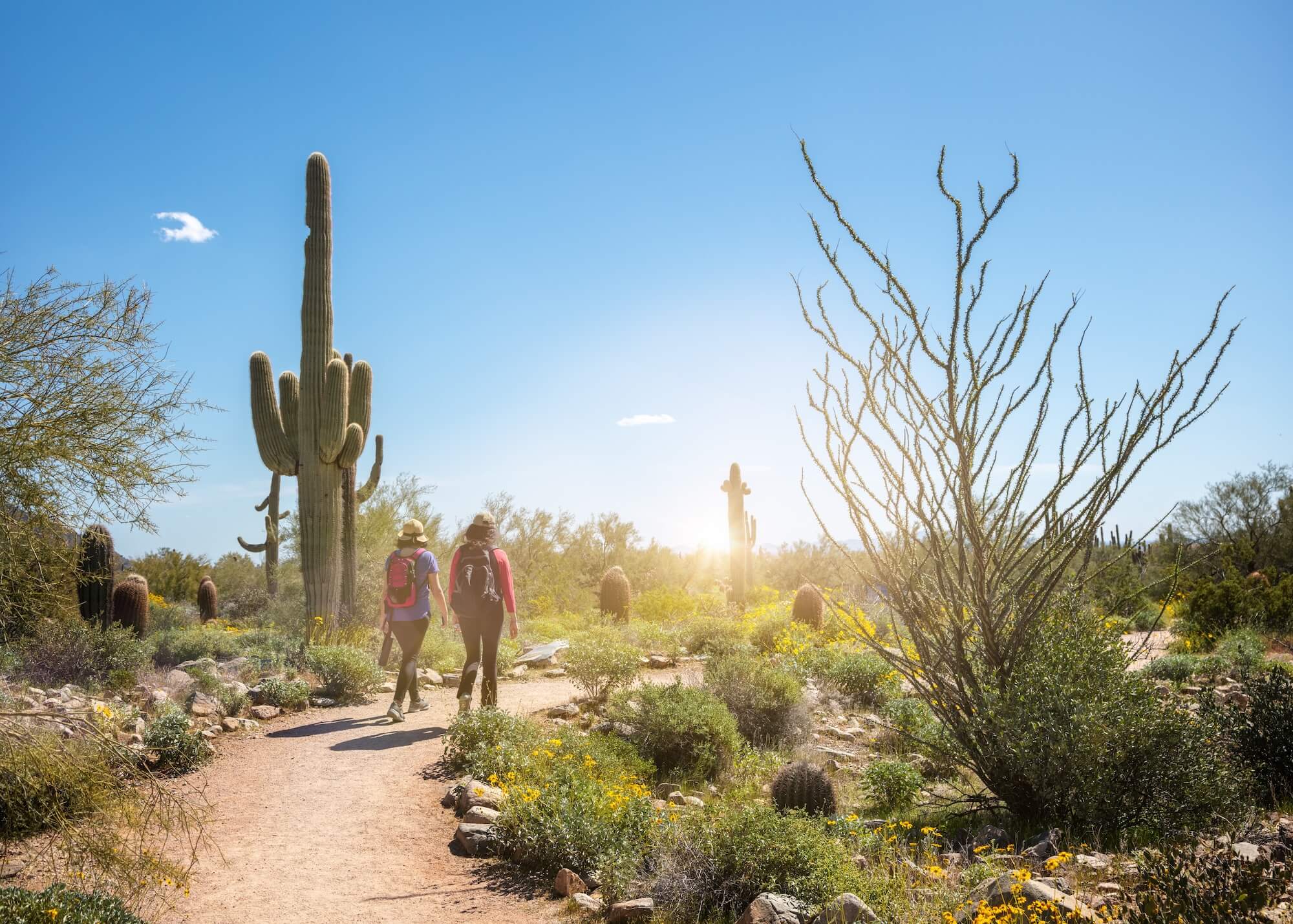

Let’s face it—living in Scottsdale means embracing the sunshine, but it also means waging a constant battle against dehydration. If you’ve ever finished a round of golf feeling unusually fatigued, experienced a pounding headache after a morning hike, or simply felt “off” after a day of running errands, you might be experiencing the effects of desert-induced dehydration. It’s not just uncomfortable—it’s a genuine wellness challenge that affects nearly everyone living in our beautiful but demanding climate.
The Scottsdale Hydration Paradox
There’s something ironic about living in one of America’s most desirable locations while simultaneously facing one of its most persistent wellness challenges. Scottsdale’s climate is both our greatest asset and our most significant health hurdle.
“People move to Scottsdale for the sunshine and outdoor lifestyle,” says the Medical Director at Rapid Recovery Mobile IV. “But that same climate creates unique hydration challenges that many residents don’t fully appreciate until they’re experiencing the effects.”
Let’s break down what makes Scottsdale’s environment so demanding on our bodies:
The Triple Threat: Heat, Aridity, and Elevation
Scottsdale’s climate creates a perfect storm for dehydration through three main factors:
1. Extreme Heat
With summer temperatures regularly exceeding 105°F and sometimes climbing above 115°F, Scottsdale residents face thermal stress that significantly increases fluid needs. During these peak temperatures:
- Your body can lose up to 1-2 liters of water per hour through sweat
- Skin surface temperatures can reach 104°F, triggering increased perspiration
- Core temperature regulation requires substantial fluid resources
Even in “cooler” months, daytime temperatures in the 70s and 80s still increase hydration needs beyond what many people realize.
2. Ultra-Low Humidity
Perhaps even more challenging than the heat is Scottsdale’s remarkably low humidity, which often drops below 10% during the hottest months. This extreme aridity creates several hydration challenges:
- Sweat evaporates almost instantly, making you less aware of fluid loss
- Respiratory water loss increases significantly with each breath
- Skin and mucous membranes lose moisture directly to the air
- The thirst mechanism often doesn’t activate until you’re already dehydrated
Many newcomers to Scottsdale don’t realize they’re dehydrated because they don’t see themselves sweating. That rapid evaporation creates a false sense of security while your body is actually losing substantial amounts of fluid.
3. Elevation Factors
With elevations ranging from about 1,200 to 4,000+ feet in the surrounding areas, Scottsdale and its popular recreation spots also create altitude-related hydration challenges:
- Higher elevations increase respiratory water loss
- UV exposure intensifies, creating additional physical stress
- Oxygen levels decrease, making your body work harder during activities
- Alcohol and caffeine effects intensify, further increasing dehydration risk
This combination of heat, aridity, and elevation creates hydration requirements that are substantially different from most other parts of the country.
The Desert Dehydration Difference: Not Your Average Thirst
Dehydration in Scottsdale doesn’t look or feel quite the same as it might in more humid climates. The signs can be subtle, easily misinterpreted, and often attributed to other causes.
Recognizing Desert Dehydration: The Subtle Signs
If you’re experiencing any of these symptoms, especially after time outdoors, desert dehydration might be the culprit:
Early Warning Signs:
- Darkened urine color (should be light straw-colored)
- Dry mouth, lips, and nasal passages
- Mild headache, particularly at the temples or forehead
- Feeling unusually tired or lethargic
- Decreased workout performance
- Mild irritability or mood changes
- Increased heart rate during normal activities
Advancing Dehydration:
- Persistent headache that doesn’t respond to pain relievers
- Significant fatigue or weakness
- Dizziness when standing up
- Decreased skin elasticity (skin “tents” when pinched)
- Muscle cramps, particularly in the legs
- Feeling unusually cold in hot weather (a concerning sign)
- Confusion or difficulty concentrating
What makes desert dehydration particularly challenging is that by the time you feel thirsty, you’re already dehydrated. In Scottsdale’s climate, being proactive about hydration isn’t just a wellness choice—it’s a necessity.
The Electrolyte Equation: Why Water Alone Isn’t Enough
Another unique aspect of desert dehydration is the critical importance of electrolytes. When you sweat in Scottsdale’s heat, you’re not just losing water—you’re losing essential minerals that regulate everything from nerve function to muscle contraction.
The key electrolytes affected include:
- Sodium: Critical for fluid balance and nerve function
- Potassium: Essential for heart rhythm and muscle function
- Magnesium: Necessary for energy production and muscle relaxation
- Calcium: Important for muscle contraction and nerve signaling
One of the most common mistakes we see is people drinking large amounts of plain water without replacing electrolytes. This can actually create new problems like hyponatremia, where sodium levels become dangerously diluted.
This electrolyte imbalance explains why you might still feel “off” even after drinking plenty of water—your body is missing the mineral components it needs to function optimally.
Activity-Specific Hydration: Different Needs for Different Scottsdale Lifestyles
Your hydration needs in Scottsdale vary dramatically depending on your activities. Let’s look at some common scenarios and their specific requirements:
Golf: The Deceptive Dehydrator
Scottsdale’s world-class golf courses are a major draw, but they also create significant hydration challenges:
- A typical 18-hole round involves 4-5 hours of sun exposure
- Walking an 18-hole course burns 1,500+ calories and can result in 2-4 pounds of water weight loss
- Even using a cart, the combination of sun exposure and intermittent exertion creates substantial fluid needs
- The social aspect often includes alcohol, which further increases dehydration
Golf-Specific Hydration Strategy:
- Begin hydrating the evening before your tee time
- Drink 16-20 oz of electrolyte-enhanced water before starting
- Consume 8-12 oz of fluid every 2-3 holes
- Limit alcohol consumption, or alternate alcoholic beverages with water
- Consider IV hydration therapy after rounds during the hottest months
Hiking: Elevation Amplifies Dehydration
The beautiful trails around Scottsdale offer amazing views but create intense hydration demands:
- Elevation gains increase respiratory water loss
- Direct sun exposure on exposed trails increases sweat rate
- Physical exertion combined with heat creates high fluid turnover
- Limited shade means continuous thermal stress
- Carrying adequate water adds weight, creating a challenging balance
Hiking-Specific Hydration Strategy:
- Pre-hydrate with 16-20 oz of electrolyte solution before starting
- Carry at least 1 liter of water per hour of planned hiking
- Use electrolyte tablets or powders to enhance water
- Hike during early morning hours when possible
- Consider scheduling IV hydration therapy for the day before challenging hikes
Tennis and Pickleball: Intense Intervals Increase Needs
Racquet sports are hugely popular in Scottsdale but create unique hydration challenges:
- High-intensity interval nature increases sweat rate
- Court surfaces can be 10-15°F hotter than air temperature
- Competitive nature often leads players to ignore hydration needs
- Quick direction changes and explosive movements accelerate fluid loss
Racquet Sport Hydration Strategy:
- Drink 16 oz of fluid 1-2 hours before play
- Consume 8-12 oz during each changeover
- Choose sports drinks with appropriate electrolyte content
- Wear light-colored, breathable clothing
- Consider IV hydration therapy for tournament days or multiple matches
Pool Days: The Hidden Dehydration Risk
Ironically, spending time in Scottsdale’s pools can increase dehydration risk:
- Immersion in water masks sweat production
- Sun reflection off water surfaces increases UV exposure
- The cooling effect of water reduces thirst sensation
- Alcohol consumption is common during pool activities
Pool Day Hydration Strategy:
- Set hydration reminders every 30 minutes
- Choose electrolyte-enhanced beverages over plain water
- Limit alcohol consumption
- Seek shade periodically to reduce thermal load
- Consider IV hydration therapy after extended pool days, especially if alcohol was consumed
Daily Life: The Constant Challenge
Even routine activities in Scottsdale create hydration demands that would be considered extreme in other climates:
- Running errands involves moving between air-conditioned spaces and extreme heat
- Shopping outdoor malls creates significant sun exposure
- Driving in a hot car increases fluid loss
- Air conditioning creates additional respiratory water loss
Daily Life Hydration Strategy:
- Begin each day with 16 oz of water
- Carry a water bottle at all times
- Use a humidifier in your home, especially in bedrooms
- Consider electrolyte supplements for regular use
- Schedule regular IV hydration therapy as preventative maintenance
The Hydration Deficit: Why Catching Up Is So Difficult
One of the most challenging aspects of desert dehydration is how difficult it can be to recover once you’ve fallen behind. There are several reasons for this:
The Rehydration Roadblocks
1. Absorption Limitations
Your digestive system can only process about 1 liter of water per hour under ideal conditions. In a dehydrated state, this absorption rate can actually decrease, creating a frustrating situation where:
- Your body needs more fluid than it can effectively absorb
- Drinking too much too quickly can cause discomfort or nausea
- Proper electrolyte balance is required for optimal absorption
- Digestive issues can further impair fluid uptake
2. The Cellular Uptake Challenge
Even after water is absorbed into your bloodstream, getting it into dehydrated cells requires:
- Proper electrolyte balance to create osmotic pressure
- Adequate time for cellular rehydration
- Protein channels that function optimally
- Hormonal signals that may be disrupted by dehydration
3. The Cumulative Effect
Perhaps most concerning is how dehydration can compound over time in Scottsdale:
- Mild daily dehydration creates a cumulative deficit
- Sleep quality suffers, reducing recovery capacity
- Kidney function becomes less efficient
- Thirst signals become less sensitive
- Energy for physical activity decreases
“Many Scottsdale residents are walking around in a state of chronic mild dehydration without realizing it,” says Dr. [Name]. “They’ve adapted to feeling slightly below optimal and consider it normal.”
IV Hydration Therapy: The Desert Hydration Solution
This is where IV hydration therapy offers a game-changing advantage for Scottsdale residents. By delivering fluids, electrolytes, and beneficial nutrients directly to your bloodstream, IV therapy bypasses the limitations of oral rehydration.
The Science-Based Advantages of IV Hydration in Desert Environments
1. Immediate Cellular Access
IV hydration therapy delivers fluids directly to your circulatory system, creating several advantages:
- 100% bioavailability with no absorption limitations
- Immediate access to dehydrated tissues
- Perfect electrolyte balance tailored to your needs
- No digestive discomfort or limitations
2. Precision Electrolyte Replacement
Our H2Only treatment and other IV formulations provide precisely calibrated electrolyte concentrations that:
- Restore optimal sodium, potassium, and magnesium levels
- Create proper osmotic gradients for cellular rehydration
- Support nerve and muscle function
- Help regulate body temperature in extreme heat
3. Rapid Symptom Relief
The direct delivery method of IV hydration therapy means you’ll experience benefits quickly:
- Headache relief often begins during treatment
- Energy levels typically improve within hours
- Muscle cramps and tension decrease rapidly
- Mental clarity returns more quickly than with oral rehydration
4. Customized Desert Wellness Solutions
At Rapid Recovery Mobile IV, we’ve developed specific formulations to address Scottsdale’s unique hydration challenges:
- The Desert Defender: Enhanced electrolytes with additional minerals lost in high-heat environments
- The Scottsdale Recovery: Formulated specifically for post-activity rehydration with amino acids for muscle recovery
- The Golfer’s Advantage: Balanced electrolytes with B vitamins for energy and focus on the course
- The Hiker’s Helper: Concentrated electrolytes with additional magnesium to prevent cramping at elevation
The Mobile Advantage: Hydration Where You Need It
The mobile nature of our IV hydration therapy service is particularly valuable in Scottsdale’s challenging climate:
- No need to drive while dehydrated (which can be as dangerous as driving under the influence)
- Treatment in your air-conditioned home, reducing additional heat exposure
- Flexible scheduling to fit your active Scottsdale lifestyle
- Group treatment options for golf outings, hiking groups, or tennis teams
Expert Recommendations: A Proactive Approach to Desert Hydration
Based on our experience serving Scottsdale residents, our medical team recommends a proactive approach to hydration that combines daily practices with strategic IV therapy:
Daily Hydration Habits for Scottsdale Living
1. Quantity Guidelines
For most Scottsdale residents, baseline fluid needs are higher than standard recommendations:
- Minimum 3 liters (about 100 oz) daily for sedentary adults
- 4+ liters for active individuals
- Additional 1 liter per hour of outdoor activity
- Increase by 20-30% during extreme heat advisories
2. Electrolyte Enhancement
Plain water is insufficient for optimal desert hydration. Consider:
- Adding electrolyte tablets or powders to water
- Including natural electrolyte sources like coconut water
- Consuming mineral-rich foods like bananas, avocados, and leafy greens
- Using salt more liberally on foods during hot months (unless medically contraindicated)
3. Timing Strategies
When you hydrate matters almost as much as how much you consume:
- Begin each day with 16-20 oz of water
- Drink consistently throughout the day rather than large amounts at once
- Increase intake 2-3 hours before outdoor activities
- Continue hydrating for several hours after heat exposure
4. Environmental Adaptations
Smart environmental choices can reduce your hydration burden:
- Use a humidifier in your home, especially while sleeping
- Schedule outdoor activities for early morning or evening
- Create shade whenever possible during outdoor activities
- Wear light-colored, loose-fitting clothing that covers skin
- Use cooling towels or vests for extended outdoor activities
Strategic IV Hydration Protocols
For optimal wellness in Scottsdale’s challenging climate, we recommend incorporating IV hydration therapy into your routine:
1. Seasonal Preparation
- Schedule an IV hydration session at the beginning of summer to establish optimal baseline hydration
- Consider monthly maintenance sessions during peak heat (June-September)
- Prepare for outdoor events with pre-hydration sessions
2. Activity-Based Protocols
- Pre-hydrate with IV therapy before major athletic events or tournaments
- Schedule recovery sessions after particularly demanding activities
- Consider group sessions for regular golf or tennis groups
3. Recovery Applications
- Use IV hydration to address dehydration symptoms quickly
- Schedule sessions after air travel, which is particularly dehydrating
- Consider treatment during or after illness when oral hydration may be difficult
4. Wellness Maintenance
- Incorporate regular IV hydration as part of your preventative wellness routine
- Consider membership options for consistent hydration support
- Combine hydration with nutrient support for comprehensive wellness
Living Your Best Scottsdale Life: Hydrated and Thriving
The reality is that Scottsdale’s climate creates genuine hydration challenges, but with the right approach, you can enjoy all the benefits of our beautiful desert environment without the downsides of dehydration.
As we explored in our previous article on IV therapy science, the direct delivery method of IV hydration therapy offers unique advantages that are particularly valuable in our desert environment. By bypassing the limitations of oral hydration and delivering perfectly balanced fluids directly to your circulation, IV therapy provides a powerful tool for combating Scottsdale’s climate challenges.
Whether you’re a longtime resident or new to the area, understanding and addressing your unique hydration needs is one of the most important wellness investments you can make. Your body will thank you with better energy, improved performance, enhanced recovery, and an overall sense of wellbeing—even in the midst of our beautiful but demanding desert environment.
Ready to experience optimal hydration in Scottsdale? Contact Rapid Recovery Mobile IV today to schedule your personalized IV hydration therapy session, delivered directly to your home, office, or hotel.